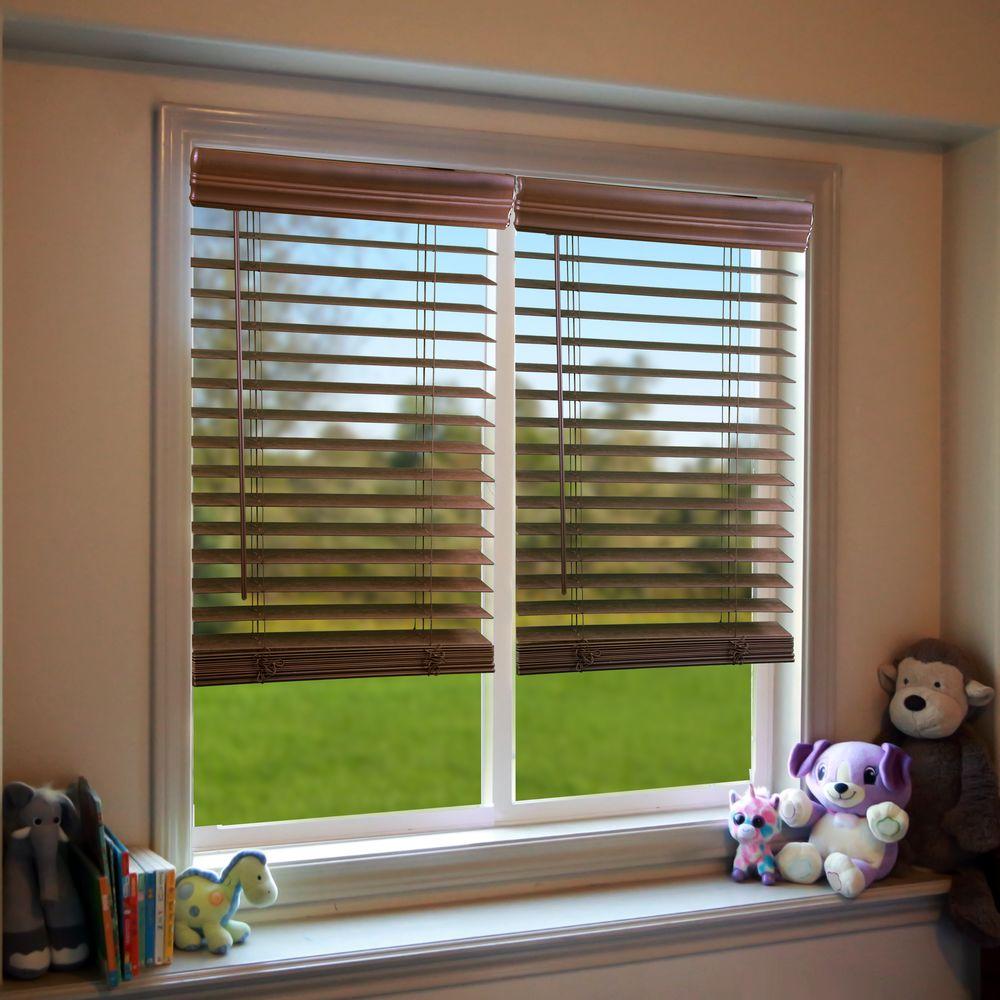
Safety is an essential factor in the search to find the ideal home. It shouldn't be an afterthought. When windows are concerned the principle of safety is of a vital importance. In Australia there is a stark reality that blind cords or chains, no matter how loose or looped, can pose an unnoticed and concealed danger of strangulation for infants and children in the early years. National mandatory safety standards are more than guidelines. They're a blueprint for prevention. Knowing these standards isn't only an aspect of purchasing blinds, it is the most crucial aspect of the buying process. Let's move beyond buzzwords in order to acquire practical knowledge on child safety on the Australian blinds market.
The Australian Competition and Consumer Commission enforces a strict code of conduct on all corded blinds with internal cords. The Australian Competition and Consumer Commission (ACCC) enforces a strict mandatory standard for all internal corded window coverings. The mandate is clear: all new curtains and blinds must come with safety devices installed or have a cordless option by default. The standard does not limit to the item itself. It provides instructions for installation. The most important thing is that conformity is solely the responsibility of the installer or the supplier. The authority of the consumer is in their ability to recognise and demand.
What does real compliance be like in real life? Three types of solutions can be distinguished each with each its own advantages.
Cordless designs and motorised ones. The highest level of security is attained by removing the threat. Roller blinds can be operated with a crank or by a push and pull mechanism. Motorised blinds are controlled from a distance or via smartphone. They are a guarantee of safety and ease of use. Even though they can be more expensive but their security and peace of mind are well-worth the price. This is the most important aspect to consider for any room the home where children sleep or play.
The second is Compliant cords and chains with safety Devices. For styles where the chain or cord is functional, like certain Venetians or vertical blinds the standard requires safety features. It is recommended to look for tension devices as a minimum. These are cleats permanently mounted to the window or wall frame. The cord should be tightly wrapped around them, and secured each time it is moved. The cord should always be in a tight, short length. Breakaway connectors, also known as a safety tassel, is an important feature. It's a small, built-in device that is that is designed to let it go with very little pressure. If a child becomes stuck, it will break the potentially hazardous loop. It is a critical failsafe. Blinds should be installed prior to installation and must be shown how to use by the installer.
Third, the Critical Importance of Professional Installation. Many well-intended safety measures fail here. A poorly installed conforming window blind could make it unsafe. Professional installers certified in the guidelines know precisely where to put tension devices, out of reach of a climbing toddler, but at minimum 1.6 metres above floor level. They ensure that cords are cut at the correct, minimum length. They fix the blind securely so that it is not able to be pulled down. The installer should demonstrate how to safely operate the blind, and also maintain safety devices. It is possible to miss these steps, regardless of how skilled you think you are.
If you're consulting blinds services it is essential to be active. Inquiring "Are these blinds child-safe?" is not enough. Doing "Are they child-safe?" is a question which is frequently asked in a vague way. Consider these more specific and pointed questions instead: "Can you tell me the safety features that have been pre-installed to ensure that this product is compliant with AS/NZS60335.2.97?" Do you think your installer will fix the tension devices permanently to the wall and demonstrate their use? If this product comes with a cord, what length will it last after being properly stored? Is it equipped with a safety tassel that breaks and disappears? A trustworthy company will be happy to answer the questions and give precise, confident responses. Be deeply wary of any company that is evasive, indifferent or suggests that supplying an additional cleat is enough for conformity.
It is also worth considering the blinds you have. The standard is only applicable for the new supply. But, there remain a lot of blinds used across the nation. If you have blinds from the past that have looped cords, prompt intervention is needed. Window Covering Council of Australia as well as other large hardware stores, offer no-cost retrofit security kits, which include cleats. It's easy to set up these kits over the weekend. Adjust the way your space is laid out. Don't place a cot high chair, playpen or other furniture a child could climb near a window with blind cords. Entanglement can occur quickly and with no warning.
In the end, choosing blinds that are safe for children is a matter to be vigilant about use in Australia. It is crucial to ask questions about the mechanism and not just the fabric. It is important to value a supplier's understanding of standards, and the selection of colors. It recognizes that the cheapest choice may have an unthinkable cost hidden. The basic is a solid framework but its effectiveness depends on making an informed choice and ensuring correct installation.
A truly compliant set of blinds will ensure that you can enjoy a house that is free of worries. It allows you to enjoy the style you want and control of light while being confident that you have eliminated any risk. It turns windows into a safe environment for your growing family. It is clear that this choice is one of the most effective choices in the realm of parenting: Always choose cordless. Always select a compatible. Never compromise with the installation. Your child's safety depends on it. View the best blinds for more examples including the window shade, blinds store online, perfect fit blinds australia, blinds online australia, california shutters australia, diy blinds, blinds prices, shop shades, no blinds, blinds direct australia and more.
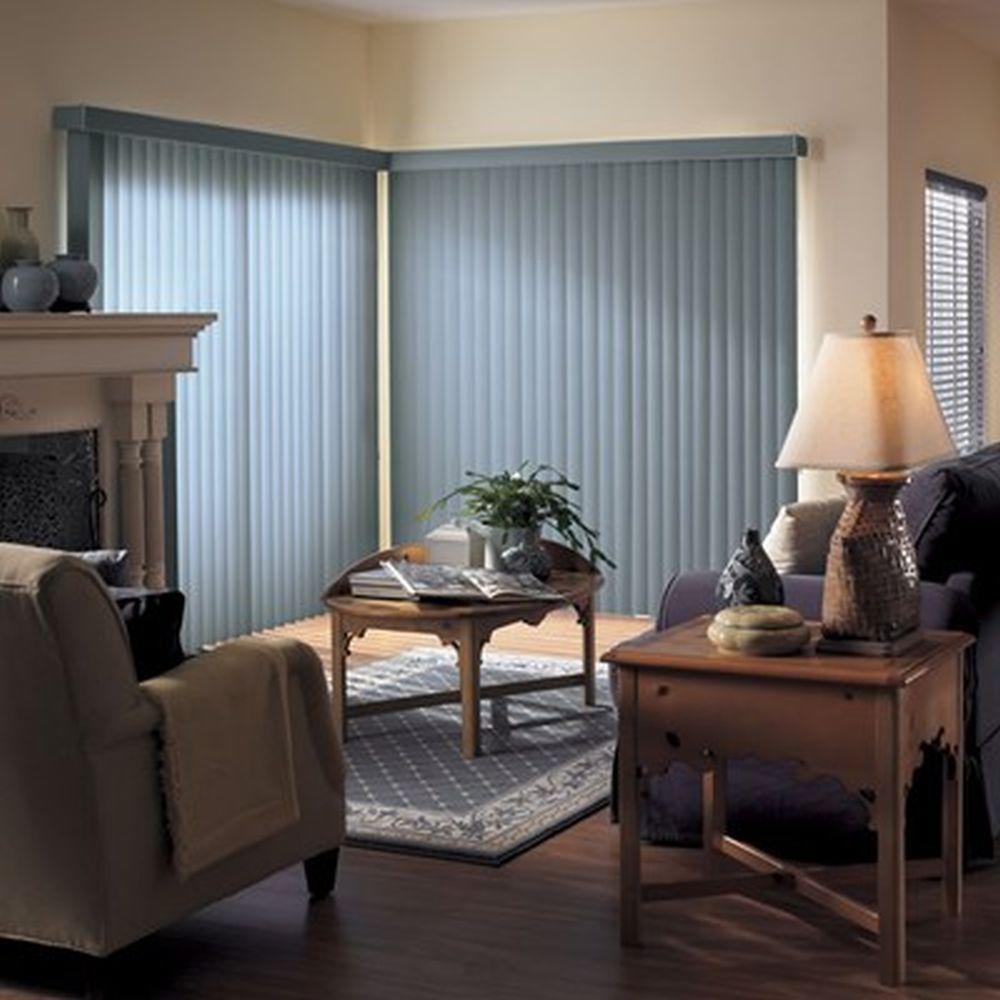
The Silent Shift: How Motorised Blinds Are Quietly Revolutionizing Australian Homes
In the Australian imagination, the humble blind has long been a manual device. A simple twist of a stick, or simply a tug on the cord--these are all physical actions that define a family's daily routines. A quiet change is taking place, driven not by a shift in the fabric, but in function. Motorisation was once something that only the wealthiest could afford. Today, it's an everyday element in Australian households. It transforms blinds from a stationary window covering to an integrated, intelligent system. It offers unparalleled comfort and security while maximizing the energy efficiency potential and the modern lifestyle. It's not just about cutting the cord but instead rethinking how a blind could be utilized.
Let's start with the instant attraction: simple and easy convenience. Take into consideration the Australian architectural style such as the windows with a bank or the towering door with glass, or the skylight that's difficult to reach. Controlling multiple windows across a large or tall space can be difficult. With motorisation, a single command--a button on a remote, a tap on a smartphone, or a voice instruction--orchestrates the entire scene. The blinds can be lowered in the living room to block out the sun's rays in the afternoon. While you're sleeping you can easily lift the blinds in your bedroom to enjoy the sunshine. This is ideal for rooms with lots of windows. It is possible to transform the mundane chore into something that is commonplace. The system's mechanics are also of superior quality. A motor with high quality will ensure a quiet, smooth, and constant performance, removing the jitters, slips and uneven positioning that can be a challenge for manual systems.
The benefits of a better energy management and climate control are also extremely Australian. Temperature control is the most significant cost for households to use energy. Motorisation lets you perform more strategically, timed operations which manual operation is unable to. Through integrating your blinds with smart home devices or using an easy, programmed timer and you can make them active participants in managing the home's microclimate. They can be set to open automatically at 11am to keep out the sun's intense summer heat and stop the buildup of heat. They'll then be raised at dusk. In winter, they can be opened during sunny days to suck up passive solar heat and then closed at evening for insulation. This proactive approach dramatically reduces burden on heating and air conditioning. Lower power costs are the result. It's automation to save energy and comfort.
The safety argument for motorization is strong and has two reasons. It is the most effective solution for child safety. By removing cords and chains completely, it eliminates the strangulation hazard at its source, aligning precisely with and exceeding Australian standard safety requirements. This offers parents and grandparents absolute security. Additionally, it improves the security of the house. It is important to have blinds move in an irregular pattern. This helps deter criminals from entering your home. If you're not home the smart blinds are able to be set to raise and lower at varying times to simulate the presence of guests in a way traditional blinds and static timers can't duplicate. It's a way to integrate security into your daily routine.
The full potential of motorisation it is only realized by integrating and creating smart ecosystems. Modern motorised blinds aren't islands They are made to communicate. The blinds are controlled using voice commands, such as platforms like Google Home (or Amazon Alexa), Apple HomeKit, Apple HomeKit. In a greater way, they could be used to create scenes in the larger intelligent home automation. Imagine a scene called "Good Morning", which is activated by a sound alarm gradually raises the blinds in your bedroom and then turns on the lights. It also starts the coffee maker. The "Away Scene" locks the blinds and doors, while activating alarms. Integration with sensors: blinds that automatically lower when the room's temperature sensors reach an arbitrary threshold or close at sunset, based on your location. It is a way to move control away from a reactive environment and towards a more responsive, intelligent environment that fits your lifestyle.
Australians have more options than ever before in making this decision. Retrofit solutions now allow motorisation of existing blinds with headrails that are compatible, without having to completely replace the blind. For new installations, deciding between battery-powered or hardwired motors is key. Battery-powered systems are simple to install and incredible flexibility. Lithium batteries are readily available which can last for up to two years when used the standard manner. A hardwired system is the best option for new homes and remodels that require wiring. It all depends on whether your home has easy access to wires and you want to do periodic battery maintenance or initial electrical work.
Choosing the right system requires a shift in consultation. Asking "Can it be motorised?" is no longer sufficient when talking to suppliers. Instead, ask "How is it working?" It is also possible to inquire about the smart home protocols (WiFi, Zigbee or Z-Wave). Find out their preferred control systems and their reliability. You should ask about the specific warranty coverage of motors and electronics. A reliable provider will be able to discuss fail-safes such as manual override in case of a power failure, and will make sure that the system is calibrated to the precise weight and size of the blind.
Motorised blinds are an investment that makes your home more secure, efficient and dependable. This elegantly automated solution addresses the biggest issues of our climate, lifestyle and home. It turns a household item that was once passive, into an active tool for controlling light, heat and privacy. The initial investment may be higher than that of manual systems. But the long-term benefits, including the reduction in energy consumption, the preservation of furniture, security and everyday convenience, make it a worthwhile investment. It is a conscious decision towards a house that not just protects you, but also actively works with you in creating the ideal lighting, temperature and ambience for Australian life.